Understanding which upgrades matter most helps homeowners invest wisely.
Smart-home upgrades are everywhere, but not every gadget increases resale value. Buyers and appraisers tend to prioritize smart home upgrades that increase value, features that improve efficiency, safety, and long-term cost savings.
When chosen strategically, the right smart tech doesn’t just add convenience, it strengthens a home’s market position and boosts overall value.
Why Some Smart Upgrades Add Value (and Others Don’t)
Though the market is full of innovative devices, buyers are selective about which features they feel are essential versus trivial. Tech that improves energy efficiency, enhances security, or integrates with whole-home systems is far more likely to influence value than novelty gadgets.
Appraisers focus on improvements that offer measurable benefits or permanent functionality. A high-quality smart thermostat, for example, can reduce energy costs and support long-term HVAC health, making it a factor that contributes to value. Meanwhile, plug-in devices or niche tech with limited compatibility often hold little weight.
Understanding the difference between “installed systems” and “portable gadgets” helps homeowners make upgrades that will appeal to both future buyers and appraisers.
See How Energy Efficiency Ratings Affect Home Value for more on the value of efficiency-focused tech.
Smart Thermostats and Energy-Efficient Climate Control
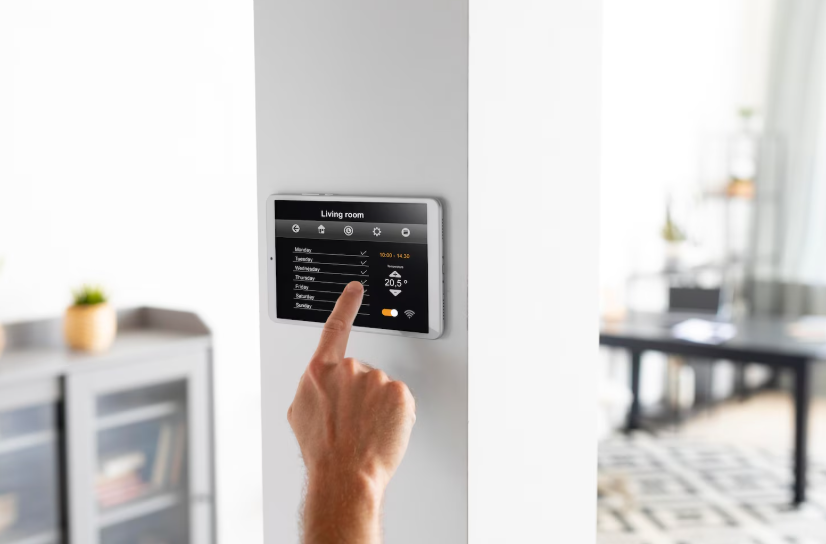
Energy-efficient homes consistently earn higher appraisals, and smart thermostats play a significant role in that perception. Devices like adaptive thermostats learn usage patterns, optimize heating and cooling schedules, and reduce energy waste. They offer meaningful monthly savings that buyers immediately understand.
These thermostats also improve HVAC longevity by preventing unnecessary strain. Appraisers consider system health and efficiency when scoring condition, so an upgrade that directly supports HVAC performance can be a quiet but significant value booster.
Because they’re integrated into the home’s systems, smart thermostats remain in place at sale, making them a tangible asset that enhances long-term value.
To compare which upgrades support long-term value, read The Renovations That Lenders Value Most (And Least).
Home Security Systems That Increase Safety and Buyer Confidence
Security technology is one of the strongest value-adding categories in smart-home innovation. Buyers appreciate features that reduce risk, provide peace of mind, and integrate seamlessly with daily routines.
Smart doorbell cameras, motion-activated lighting, connected alarm systems, and smart locks are viewed as genuine improvements rather than accessories. These systems increase safety, support insurance discounts, and create a sense of control that appeals to homeowners of all ages.
Appraisers also consider safety features part of a home’s functional condition. The presence of modern, well-installed security upgrades can subtly elevate the home’s perceived overall quality.
Whole-Home Automation and Integrated Systems
Smart tech becomes truly valuable when multiple systems work together. Integrated lighting, climate control, security, and entertainment systems offer ease of use and support a more streamlined lifestyle. Buyers respond strongly to homes that feel modern, intuitive, and ready for future technology.
Professional installation is key. Hardwired or centrally controlled systems signal permanence, making them more attractive in an appraisal. They also reduce clutter and remove the need for buyers to piece together disconnected devices after purchase.
While not every buyer seeks full automation, integrated systems create a premium feel that can differentiate your home from similar listings.
Check out Smart Storage Solutions That Increase Functional Value to further enhance usability.
Smart Appliances and Water-Efficiency Technology
Smart dishwashers, washing machines, and refrigerators offer convenience. However, the real value comes from energy and water savings. Many modern appliances monitor energy usage, detect leaks, or optimize cycles to reduce utility costs.
Water-detection sensors are desirable to appraisers and buyers because they help prevent expensive damage. Early leak alerts protect flooring, cabinetry, and structural components, which are areas where water issues can quietly erode value.
These upgrades demonstrate preventative care and forward-thinking maintenance, both of which strengthen long-term home value.
Explore Garage Conversions: Smart Value Play or Expensive Mistake? to compare space upgrades with smart tech.
Choosing Smart Tech for the Best ROI
The smartest investments are those that enhance efficiency, improve safety, or integrate smoothly into the home’s existing systems. Homeowners should prioritize upgrades that remain with the property and support broader functionality rather than personal gadgets that will be removed at sale.
Ultimately, buyers want technology that makes life easier, safer, and more cost-effective. When your upgrades reflect these priorities, you strengthen both immediate appeal and long-term value.