When refinancing, your appraisal directly affects your interest rate, loan terms, and the amount of equity you can access.
Even minor improvements can influence the appraiser’s impression and increase your home’s valuation. Knowing how to prepare for a home appraisal ensures your home presents itself at its best, both functionally and visually, before the appraiser arrives.
Start With Repairs That Impact Condition Ratings
Appraisers evaluate the home’s overall condition using standardized rating categories. Minor issues, such as peeling paint, sagging gutters, loose handrails, and cracked tiles, can lower your score even if they’re inexpensive to fix.
Prioritize repairs that signal strong maintenance habits. These include patching drywall, repairing leaks, replacing damaged trim, and addressing minor concerns with the foundation or roof.
The goal is to eliminate obvious signs of deferred maintenance. A home that consistently looks well-maintained earns higher condition ratings, which directly support a better valuation.
Check out Annual Home Maintenance Tasks That Protect Long-Term Value to see how ongoing care influences appraisal.
Boost Curb Appeal to Create a Strong First Impression
Appraisers, like buyers, form initial judgments quickly. A welcoming exterior increases confidence in the home’s overall quality and reduces the likelihood of conservative scoring.
Simple upgrades, such as fresh mulch, trimmed shrubs, clean walkways, and a tidy lawn, go a long way. Repainting the front door, adding updated house numbers, or replacing outdated lighting can make the entryway feel more modern and maintained.
These improvements are low-cost yet high-impact, and they set a positive tone before the appraiser even steps inside.
For insight on which improvements matter, explore The Renovations That Lenders Value Most (And Least).
Document Improvements and Provide a Thoughtful Upgrade List
Appraisers rely on evidence when adjusting value for improvements. Create a clear, organized list that includes:
- Renovations and upgrades with dates
- Contractor information
- Receipts or invoices
- Before-and-after photos
- Warranties for major systems or appliances
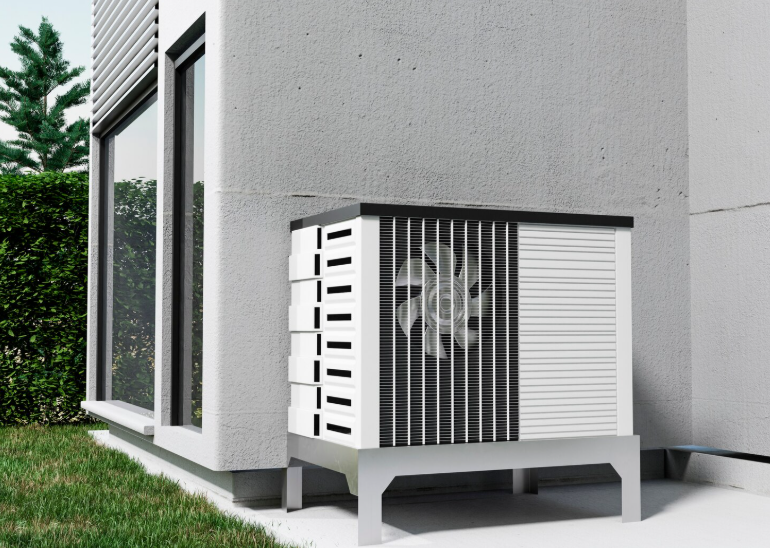
Include both significant improvements (roof replacement, HVAC upgrade) and more minor enhancements (energy-efficient windows, added insulation). Documentation strengthens your case for a higher valuation because it demonstrates quantifiable, verifiable investment.
See Signs Your Home Is Under-Valued to understand when your property may not reflect its worth.
Improve Interior Cleanliness, Light, and Flow
A clean, bright home feels larger and more functional. Believe it or not, these are two qualities appraisers take into account when evaluating layout and condition.
Before the appraisal, declutter surfaces, remove excess furniture, and clear pathways to create better flow. Open blinds to maximize natural light and replace dim or outdated bulbs.
Minor cosmetic fixes also help: repainting scuffed walls, updating worn hardware, and deep cleaning carpets subtly elevate the overall impression. While cosmetic changes don’t directly add value, they often influence how positively the appraiser interprets the home’s condition.
Optimize Systems and Show Evidence of Proper Maintenance
Mechanical systems play a significant role in appraisals. Homes with reliable, well-maintained systems appear to be lower risk to lenders and buyers.
Before the appraisal:
- Replace HVAC filters
- Clean vents and registers
- Service heating or cooling systems
- Check smoke and CO detectors
- Ensure water heaters are functioning efficiently
If your systems have been recently serviced, leave paperwork visible for the appraiser. Demonstrating consistent maintenance builds confidence and may contribute to a stronger valuation.
To better interpret valuation, learn How to Read an Appraisal Report Like a Pro.
Focus on High-ROI Mini Upgrades Before the Appraisal
Not every improvement requires a large budget. A few minor, strategic enhancements can influence how your home is perceived:
- Replace outdated faucets or light fixtures
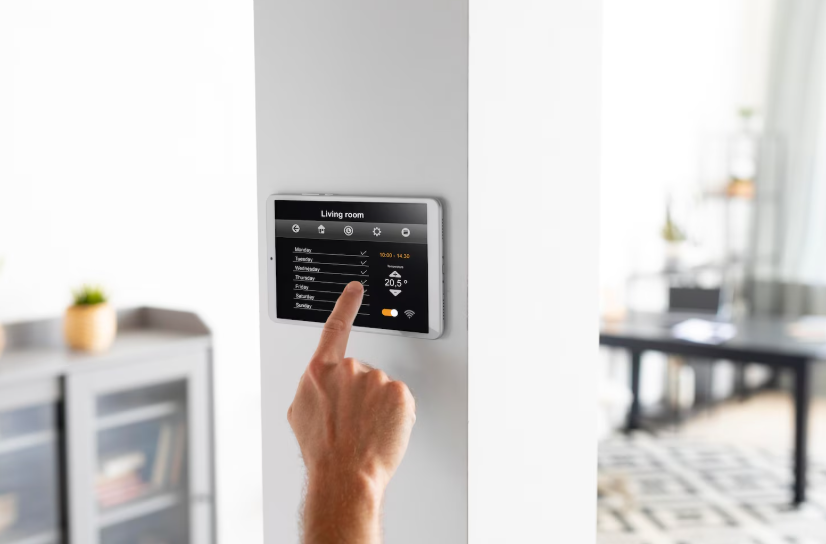
- Add smart thermostats or smoke detectors
- Update cabinet hardware
- Install fresh caulking around sinks and tubs
These home upgrades signal modernization and attention to detail, qualities that appraisers often associate with higher-quality homes.