Aging-in-place design was once viewed as a niche consideration, but today it’s a major driver of long-term home value.
As more homeowners plan to remain in their homes later in life and as multigenerational living becomes increasingly common, buyers are increasingly looking for features that support safety, comfort, and accessibility.
Homes with thoughtful aging-in-place upgrades appeal to a broader market and often command higher resale prices because they offer practical benefits at every stage of life.
The Growing Demand for Accessible, Future-Ready Homes
Aging-in-place design focuses on making homes safe and functional as mobility, vision, and strength change with age. Features such as step-free entrances, wider doorways, and open layouts help residents live independently for longer.
This demand is expanding beyond older buyers. According to the National Institute on Aging, home design changes that support mobility and safety significantly improve long-term independence. Families caring for aging parents, buyers with disabilities, and those planning for long-term livability all value homes that minimize future renovation needs.
Appraisers also recognize these features as functional benefits, especially when they are permanently installed and enhance everyday usability.
See Annual Home Maintenance Tasks That Protect Long-Term Value to understand the value of consistent upkeep.
Bathroom and Kitchen Upgrades With High Accessibility Value
Bathrooms and kitchens are two of the most essential spaces in aging-in-place design. Walk-in showers with bench seating, grab bars, slip-resistant flooring, and handheld showerheads significantly improve safety. These upgrades feel luxurious to any homeowner, not just those with mobility challenges.
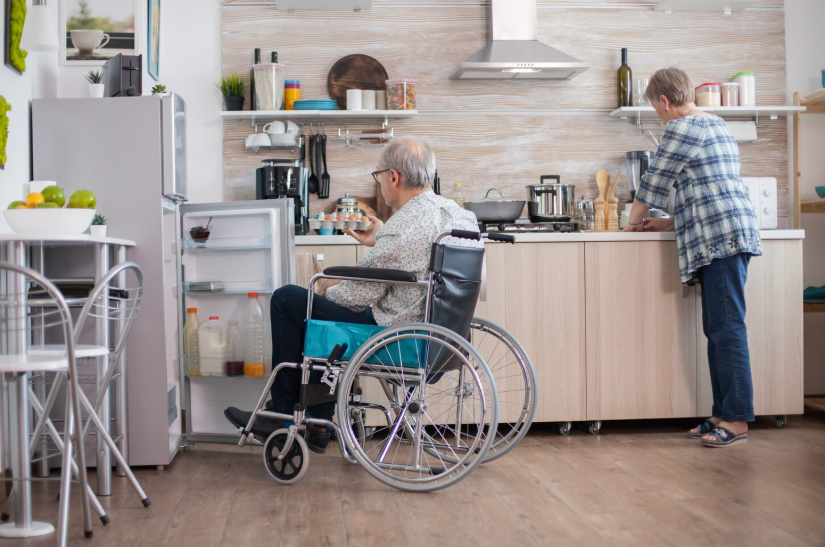
Comfort-height toilets, lever-style faucets, and strategically placed lighting make spaces easier to navigate. In kitchens, pull-out shelves, lowered microwaves, wide walkways, and D-shaped handles enhance accessibility without sacrificing aesthetics.
Because these improvements are both functional and visually appealing, buyers view them as premium upgrades rather than strictly accessibility features.
To identify whether accessibility features improve value, read How to Run Your Own ‘Mini Market Analysis’ at Home.
Main-Level Living and Step-Free Access
Homes with main-level bedrooms, laundry rooms, and full bathrooms are in high demand. Buyers appreciate the convenience today, and they value the long-term flexibility these layouts provide.
Adding a ramp, creating a zero-step entry, or widening entryways can enhance accessibility and make the home more universally appealing. These modifications improve safety, ease of movement, and overall flow, which are traits that appraisers recognize as functional advantages.
Even minor upgrades, such as removing thresholds, smoothing transitions between flooring materials, or adding railings, can significantly boost usability.
Improved Lighting, Smart Tech, and Everyday Ease-of-Use
Lighting is one of the simplest yet most effective ways to enhance aging-in-place upgrades. Bright, evenly distributed light reduces the risk of falls and improves visibility. Under-cabinet lights, motion-activated fixtures, and illuminated pathways increase safety while also enhancing ambiance.
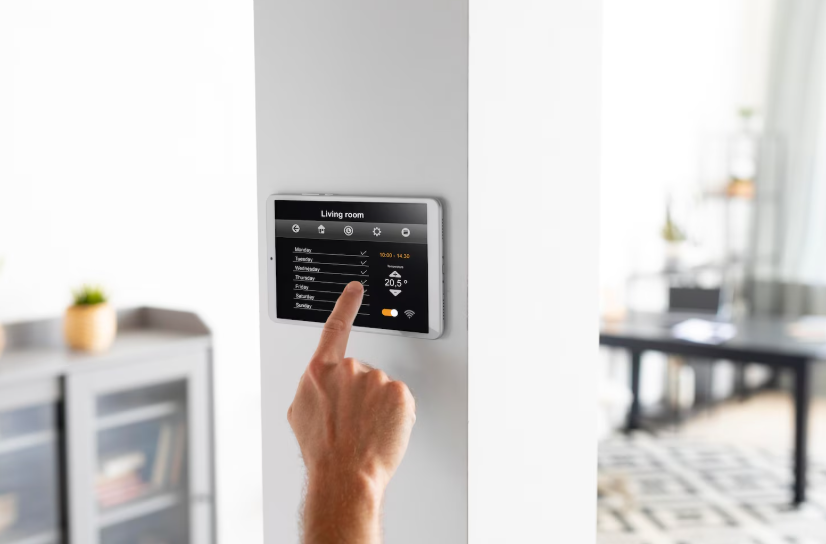
Smart home technology, such as voice-controlled lighting, automated thermostats, video doorbells, and smart locks, supports independence and convenience. These features appeal broadly to modern buyers and can positively contribute to their perceived value.
Ease-of-use improvements benefit everyone, making the home feel intuitive and comfortable at all life stages.
Check How to Stage Your Home to Maximize Value to learn how layout and flow influence buyer perception.
Why Aging-in-Place Features Protect Long-Term Value
The most significant financial advantage of aging-in-place design is its durability. These features add lasting utility without becoming outdated. As the population of older adults grows, homes lacking accessibility may struggle in the market, while those equipped for long-term living will stand out.
Because aging-in-place improvements focus on safety, functionality, and comfort, they align with what appraisers value most in a home’s design. They also reduce the likelihood that future owners will need to invest in costly modifications.
In short, aging-in-place design isn’t just practical; it’s a smart strategy for preserving and increasing long-term home value.