Strategic staging doesn’t require a complete redesign; it only needs a clever approach that improves flow, light, and livability.
Using the right home staging tips is one of the most effective ways to increase your home’s perceived value. It highlights your property’s strengths, minimizes flaws, and helps buyers imagine themselves living in the space. Appraisers also take note of homes that appear organized, well-maintained, and thoughtfully presented.
Declutter and Depersonalize to Create a Neutral Canvas
The first step in staging is removing excess items. Clutter makes rooms feel smaller and distracts buyers from the home’s features. Clearing surfaces, organizing shelves, and reducing personal belongings help create a clean, neutral backdrop.
Depersonalization also matters. Family photos, bold décor, and statement collections can prevent buyers from imagining the space as their own. A more streamlined environment allows them to project their lifestyle onto the home, increasing emotional connection, which is a key driver of value.
Appraisers don’t score décor, but they do respond to homes that appear orderly and well-maintained.
To explore subtle upgrades, see Smart Tech That Actually Improves Home Value (Not Just Convenience).
Optimize Furniture Placement to Improve Flow
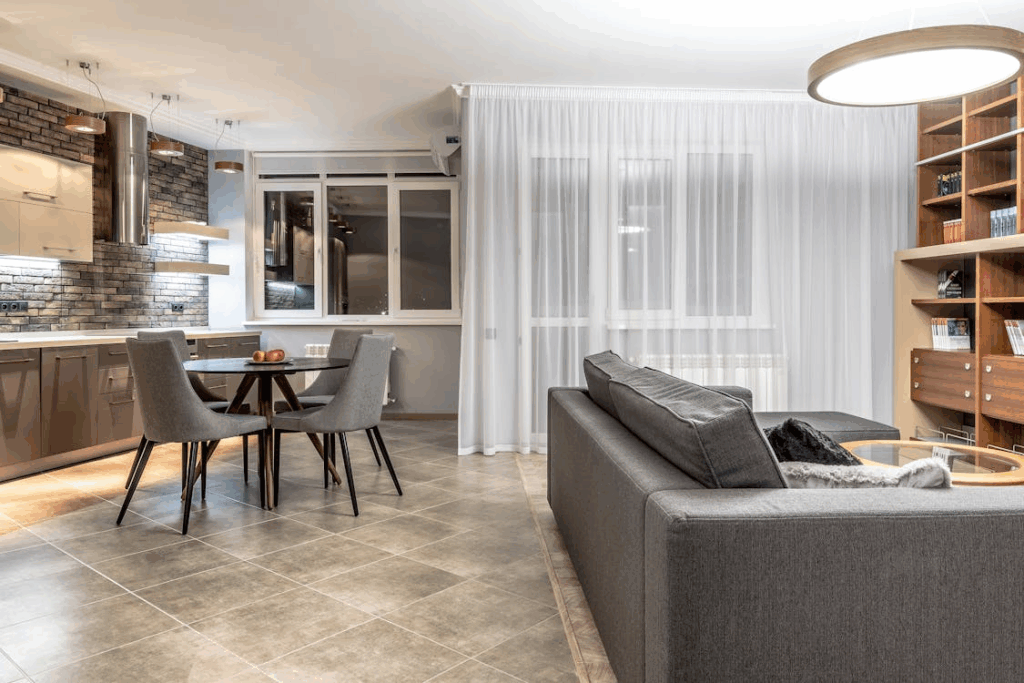
Furniture layout influences how buyers perceive space. Overcrowded rooms feel cramped, while poorly arranged seating can disrupt natural movement. Rearranging furniture to highlight open pathways and strengthen room function makes the home feel larger and more welcoming.
Remove bulky or oversized pieces that dominate the room, and choose arrangements that create conversation zones or open sightlines. Floating furniture away from walls can also make rooms appear more spacious.
This simple step improves the home’s sense of flow, which buyers instinctively respond to.
Explore The Most Valuable Colors to Paint Your Walls (According to Data) to choose buyer-friendly tones.
Maximize Natural and Artificial Light
Light is one of the most potent elements in staging. Bright spaces feel cleaner, larger, and more inviting. Start by opening blinds, removing heavy drapes, and cleaning windows to maximize natural light.
Supplement with well-placed artificial lighting. Replace dim bulbs with warm LEDs and add lamps or sconces to illuminate darker corners. Layered lighting creates ambiance and draws attention to architectural details.
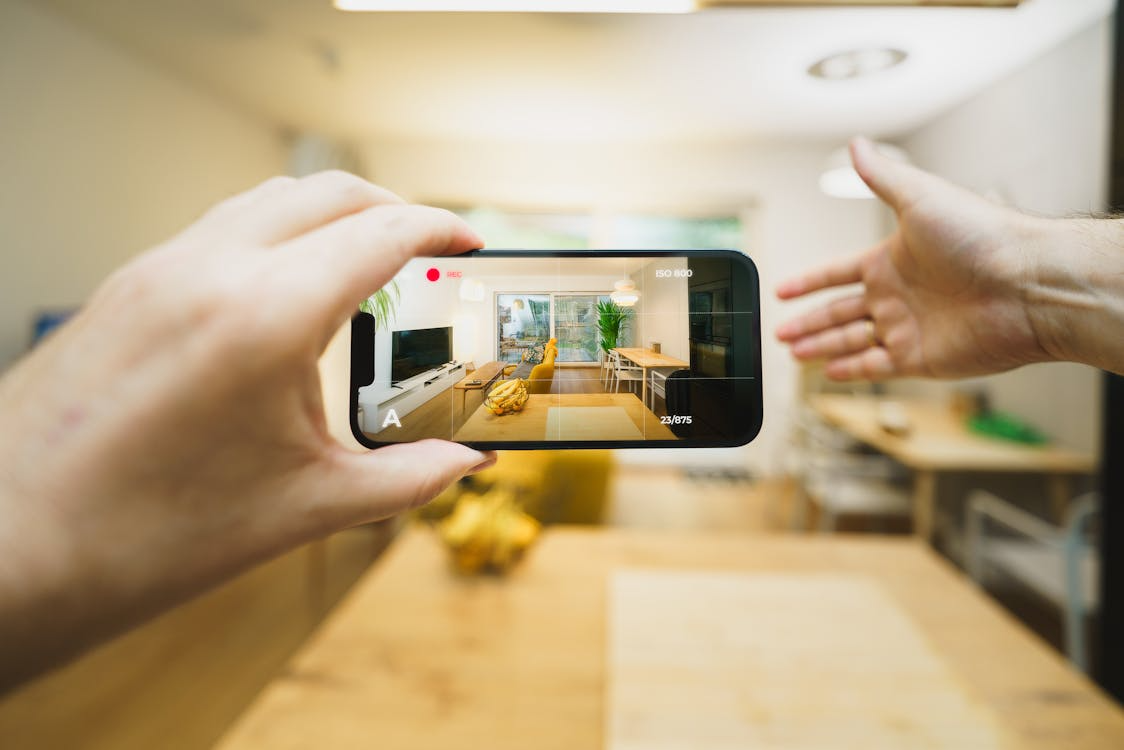
Homes that appear well-lit often photograph better and feel more comfortable during showings. These are two factors that increase buyer interest and perceived value.
Check out Bathroom Upgrades That Buyers See as ‘Worth the Price’ to add high-impact touches
Highlight Key Spaces Buyers Care About Most
Some areas have a disproportionately large influence on buyer impressions, including the kitchen, primary bedroom, and living room. Staging these spaces thoughtfully can significantly impact perceived value.
In the kitchen, keep countertops clear by adding a bowl of fresh fruit or a plant, and remove any unnecessary appliances. In living rooms, use light throws and neutral pillows to soften the space. For the primary bedroom, choose bedding that feels crisp and hotel-like.
Small touches, such as fresh towels in the bathroom or a tidy entryway, help convey a sense of care buyers immediately appreciate.
To enhance key rooms, check out Kitchen Refreshes That Increase Value Without a Full Remodel.
Use Color and Décor Sparingly but Effectively
Neutral colors form the foundation of home staging, but light accents can add warmth and depth. Soft greenery, a few modern art pieces, or subtle pops of color keep the space feeling inviting without overwhelming buyers.
Avoid overly bold patterns or bright hues that may distract or clash with the home’s style. Minimalist décor generally works best, allowing buyers to focus on the home rather than its accessories.
These finishing touches help the home feel polished and move-in ready, both of which enhance its appeal.