Outdoor living has become one of the most desirable features of modern homes. Well-designed exterior spaces extend a home’s usable square footage, improve daily enjoyment, and enhance overall curb appeal. Appraisers also recognize outdoor functionality when it’s thoughtfully integrated and built to last.
With the right outdoor living upgrades, outdoor living areas can deliver impressive equity and give your home a competitive edge.
Build Functional Seating and Gathering Areas
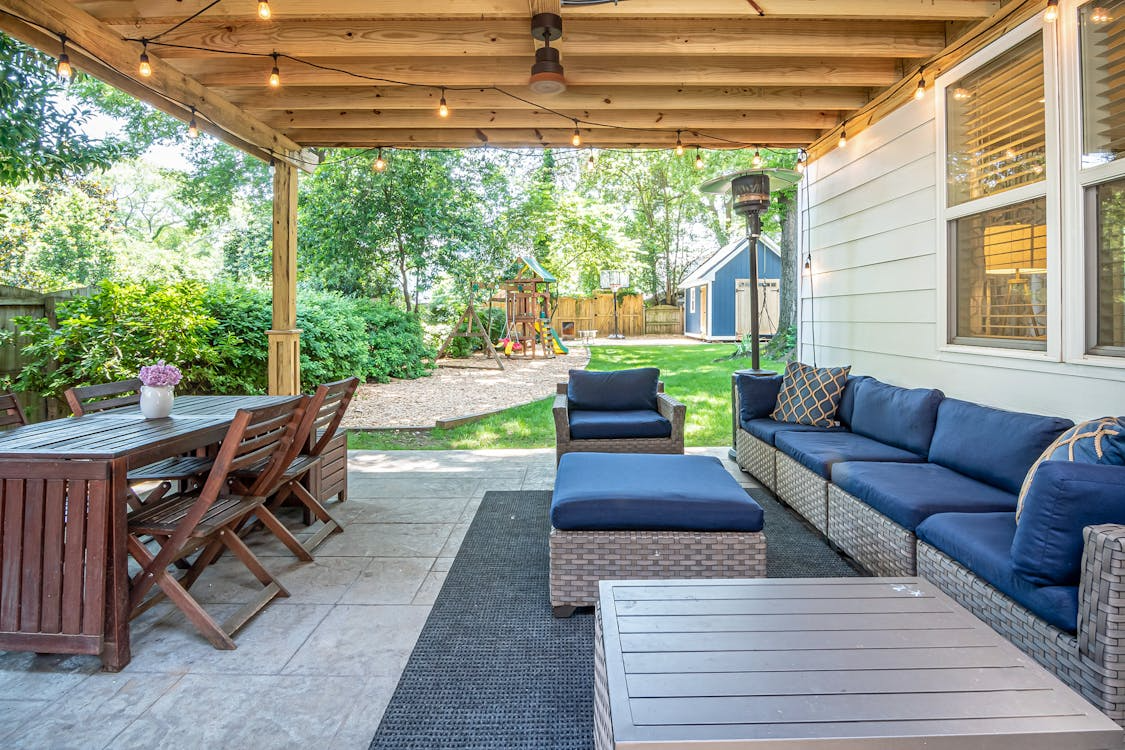
The foundation of a valuable outdoor space is an area that supports relaxation and socializing. Patios, decks, and covered seating zones create environments that feel like valid extensions of the home. These spaces don’t need to be large or elaborate. What matters most is usability.
A simple stone patio with comfortable furniture or a well-maintained deck can significantly elevate perceived value. Adding shade through pergolas, umbrellas, or retractable awnings extends the space’s usability and appeals to buyers who prioritize outdoor comfort.
These gathering areas help buyers imagine hosting dinners, relaxing with family, or enjoying evenings outdoors, which strengthens emotional appeal and resale potential.
Explore Flooring Choices Ranked by Resale Value to see how surface choices influence overall home appeal.
Enhance Atmosphere With Lighting and Landscaping
Outdoor lighting transforms exterior spaces from daytime-only areas into evening-friendly environments. Path lighting, string lights, uplighting, and solar accents all contribute to creating a welcoming atmosphere while enhancing safety and visibility.
Landscaping plays an equally important role. Trees, shrubs, and low-maintenance plant beds add beauty and privacy. Well-placed greenery can frame seating areas and soften the edges of hardscape, giving the space a curated, finished look.
These enhancements don’t require a significant investment but make a powerful impact on how buyers perceive the yard.
To see how outdoor design attracts buyers, check out The Science of Curb Appeal: First Impressions That Increase Equity.
Add Functional Features That Increase Everyday Use
Functional additions help buyers view the outdoor area as a livable space rather than just a decorative one. Fire pits, outdoor heaters, weather-resistant rugs, and built-in benches create all-season usability. In warmer climates, ceiling fans on covered patios add comfort and extend outdoor enjoyment.
Well-designed cooking areas, ranging from basic grill stations to fully equipped outdoor kitchens, are particularly appealing to buyers who frequently entertain. Even a small prep counter or storage cabinet can elevate a simple grilling space.
These features add versatility, turning the yard into a destination rather than an afterthought.
See Smart Tech That Actually Improves Home Value for upgrades that complement outdoor spaces.
Create Zones for Different Activities
Outdoor spaces feel more valuable when they offer various zones, such as dining, lounging, recreation, or gardening. Dividing the yard into distinct areas makes it more usable and visually cohesive.
For example, a dining table under string lights, a separate lounge with a fire pit, and a small garden area create an experience that mimics indoor living. Buyers appreciate the organization and intentionality of these designs.
Zoning also makes the yard feel larger, even when square footage is limited, which boosts perceived value during showings and appraisals.
To learn how subtle details impact equity, don’t miss The Hidden Factors That Quietly Add (or Subtract) Home Value.
Choose Durable, Low-Maintenance Materials
Outdoor living spaces only add equity when built to last. Materials like composite decking, natural stone, treated wood, and weather-resistant furniture stand up well to the elements and require minimal upkeep.
Homeowners should avoid designs that initially appear attractive but deteriorate quickly, as visible wear can negatively impact valuations. Durable materials reassure appraisers and buyers that the space will retain its value over time.
Investing in longevity pays off. Low-maintenance spaces appeal to a broader audience and maintain their beauty year after year.