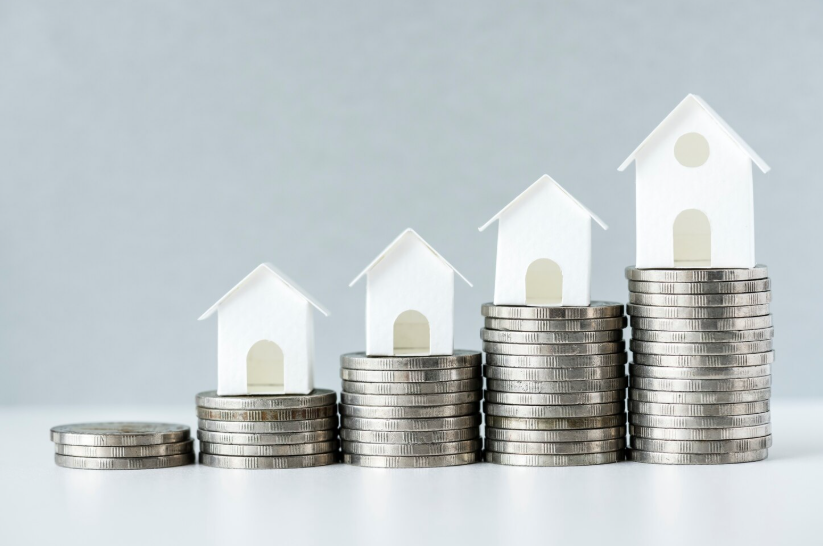
Understanding the renovations lenders value most helps homeowners make strategic decisions that maximize borrowing potential.
When refinancing or securing a home equity loan, not all improvements have the same impact on your appraisal. Lenders are concerned with renovations that enhance the home’s structural integrity, efficiency, and long-term reliability. Meanwhile, highly personalized or cosmetic upgrades may add visual appeal but contribute little to your valuation.
Structural and System Upgrades: Lenders Prioritize
Renovations that protect the home’s essential systems carry the most significant weight in lender evaluations. New roofing, updated electrical systems, modern plumbing, and HVAC replacements are considered high-value improvements because they reduce long-term risk.
Appraisers view these upgrades as part of the home’s overall condition score. Homes with reliable systems require fewer future repairs, making them lower-risk assets for lenders. Because safety and functionality are top priorities, these projects typically generate some of the most substantial returns on valuation.
Even if these upgrades lack visual flair, they contribute significantly to perceived durability and lender confidence.
See The True Cost of Deferred Maintenance to understand how ignored repairs reduce appraisal confidence.
Energy Efficiency Improvements With Strong Appraisal Impact
Lenders increasingly recognize the value of energy-efficient upgrades. Improvements such as new insulation, energy-efficient windows, tankless or hybrid water heaters, and modern HVAC systems lower utility costs and improve a home’s performance.
If supported by documentation, such as energy audits or HERS ratings, these enhancements can justify higher valuations. Appraisers often adjust upward when efficiency upgrades reduce long-term operating costs and extend system lifespan.
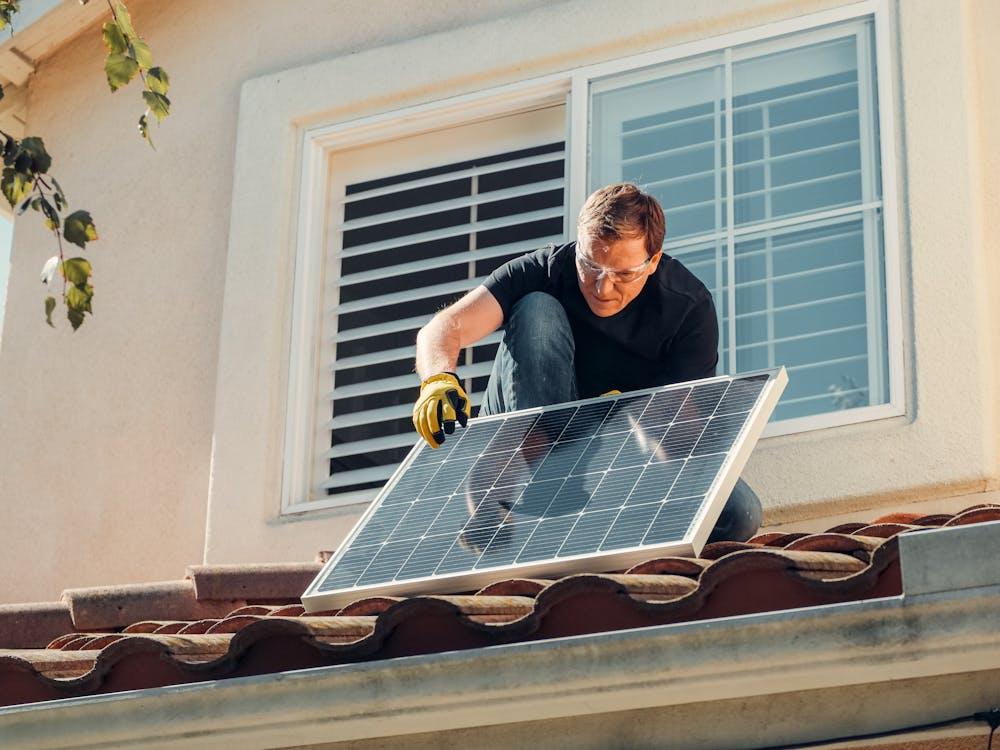
Solar panels can also add value, but only when they are wholly owned and adequately documented. Leased systems may complicate the appraisal process and sometimes reduce lender enthusiasm.
Explore How Energy Efficiency Ratings Affect Home Value to see why some upgrades justify higher valuations.
Renovations That Improve Functionality and Livability
For efficient home designs, functional improvements tend to carry more weight than purely aesthetic ones. Kitchen and bathroom updates, when focused on usability rather than luxury, can positively influence lender valuations.
For example, replacing outdated appliances with efficient ones, installing high-quality fixtures, or improving storage can enhance everyday living. Appraisers also consider whether the renovation aligns with neighborhood standards. A modest, well-designed upgrade often performs better than an expensive, niche remodel.
Homes that feel more functional, comfortable, and modern typically receive stronger appraised values.
Learn When to DIY and When to Hire a Pro If You Want to Protect Home Value to avoid workmanship risks.
Upgrades Lenders Value Least
Some improvements may appear impressive but have a minimal impact on the refinancing value. High-end luxury additions, such as custom saunas, elaborate outdoor kitchens, or designer finishes, rarely yield proportionate increases in appraisal value.
Lenders also assign limited value to overly personalized upgrades. Bold design choices, unconventional room conversions, and hyper-specific décor may appeal to specific buyers but don’t align with market-wide preferences.
Cosmetic upgrades, such as accent walls, decorative lighting, or stylish fixtures, can improve showing impressions but contribute only indirectly to valuation.
Renovations That May Hurt Appraisal Value
Specific projects can actually reduce the home’s value from a lender’s perspective. Removing functional spaces, such as converting a garage into a living room or eliminating a bedroom, often backfires. Appraisers adjust downward when essential features are lost.
Unpermitted work is another significant issue. Lenders may exclude non-permitted additions or renovations entirely, refusing to count them as livable space. Incomplete or poorly executed DIY projects also raise concerns about long-term safety and reliability. Whenever a renovation increases risk, lenders respond conservatively.
See Flooring Choices Ranked by Resale Value for practical finish insights.
Choosing Renovations That Strengthen Borrowing Power
To maximize appraisal value before refinancing, homeowners should focus on improvements that strike a balance between efficiency, structural reliability, and modern livability. Documentation is critical: receipts, warranties, permits, and before-and-after photos help appraisers justify higher valuations.
By selecting the right renovations and presenting them effectively, homeowners can significantly enhance their borrowing power and secure more favorable loan terms.