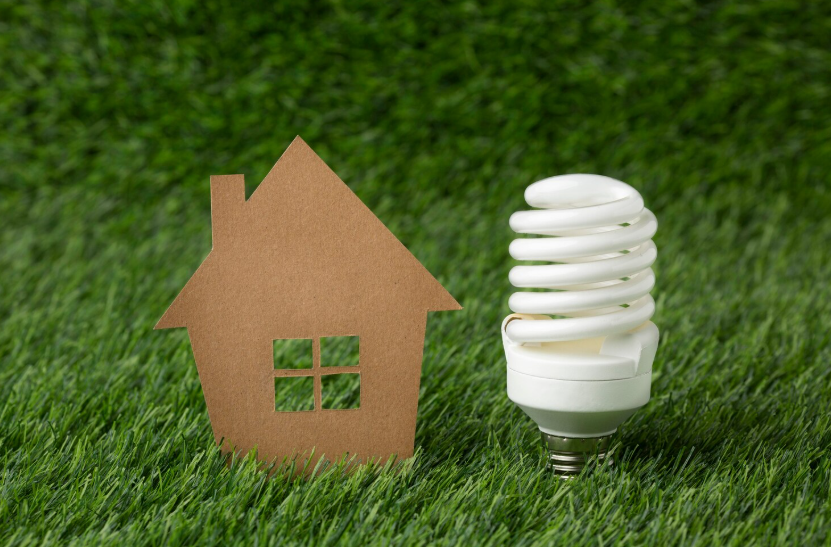
Understanding how energy ratings work and why they influence valuation helps homeowners make improvements that yield both immediate savings and long-term equity.
Energy efficiency has become one of the strongest drivers of modern home value. Buyers are increasingly prioritizing homes that reduce utility costs, enhance comfort, and promote environmental sustainability. Appraisers also take efficiency upgrades seriously, especially when they appear in official energy reports or certifications.
Why Buyers Value Energy-Efficient Homes
Rising utility costs have made efficiency a top priority for homeowners. A house with better insulation, upgraded windows, or a high-performing HVAC system offers predictable monthly savings, which buyers factor into their purchasing decisions.
Comfort also plays a role. Homes that maintain consistent temperatures, reduce drafts, and improve air quality feel more livable. Buyers often rank comfort alongside aesthetic appeal, which gives energy-efficient homes a strong competitive edge.
Because these features remain with the property long after the sale, they’re seen as smart, future-facing investments that enhance long-term value.
Explore Home Insurance Mistakes That Can Cost You Thousands to understand how coverage gaps affect value.
Understanding HERS Scores and Energy Audits
One of the most widely recognized measures of home efficiency is the HERS Index (Home Energy Rating System). A lower HERS score indicates better performance and lower projected energy consumption. Appraisers use HERS scores as objective, quantifiable evidence of energy savings.
Energy audits provide similar insight. These reports identify homes that are losing energy due to air leaks, poor insulation, or inefficient lighting, and recommend targeted improvements. Homes with documented upgrades or post-audit improvements often receive higher valuations because the data confirms reduced operational costs.
Buyers appreciate this transparency. A home with clear, measurable efficiency ratings stands out in competitive markets and often justifies a higher price.
Upgrades That Move the Needle for Appraisers
Not all efficiency improvements have the same impact on value. Appraisers give the most weight to upgrades that permanently enhance performance:
- High-efficiency HVAC systems that reduce energy usage and improve comfort.
- Insulated windows and doors that minimize heat transfer.
- Improved insulation, especially in attics, basements, and exterior walls.
- Energy-efficient water heaters, such as tankless or hybrid models.
- Solar panels, when ownership and documentation are clear.
These features reduce long-term operating costs and increase structural longevity, and are two main factors directly tied to property value. Minor updates, such as LED lighting or smart thermostats, support efficiency but don’t carry the same appraisal impact unless combined with significant upgrades.
To learn how accessibility features shape demand, see How Aging-in-Place Design Increases Long-Term Home Value.
How Documentation Strengthens Your Home’s Valuation
Efficiency features matter most when they’re documented. Appraisers rely on evidence, not assumptions, when determining the value contribution of an upgrade. Energy audits, receipts, warranties, and installation certificates all provide essential proof.
Without documentation, buyers may underestimate the quality or scope of improvements. But when homeowners present clear records, it signals transparency and reinforces trustworthiness, which are qualities appraisers and buyers reward.
This documentation also differentiates efficiency upgrades from basic maintenance. While replacing a broken window is expected, installing insulated, low-E windows demonstrates added value.
Check Mistakes Homeowners Make During a Market Downturn to understand how market timing can affect value.
The Long-Term Equity Advantage of Energy Efficiency
Energy-efficient homes typically appreciate faster than less efficient homes in the same neighborhood. Lower operating costs, improved comfort, and reduced environmental impact make these properties more appealing over time, even as market conditions shift.
As building codes evolve and efficiency standards rise, homes with outdated systems or poor insulation risk falling behind in buyer expectations. Investing now ensures your home remains competitive and market-ready.
Ultimately, energy efficiency isn’t just a bonus feature; it’s an integral component of modern home value that benefits homeowners year after year.