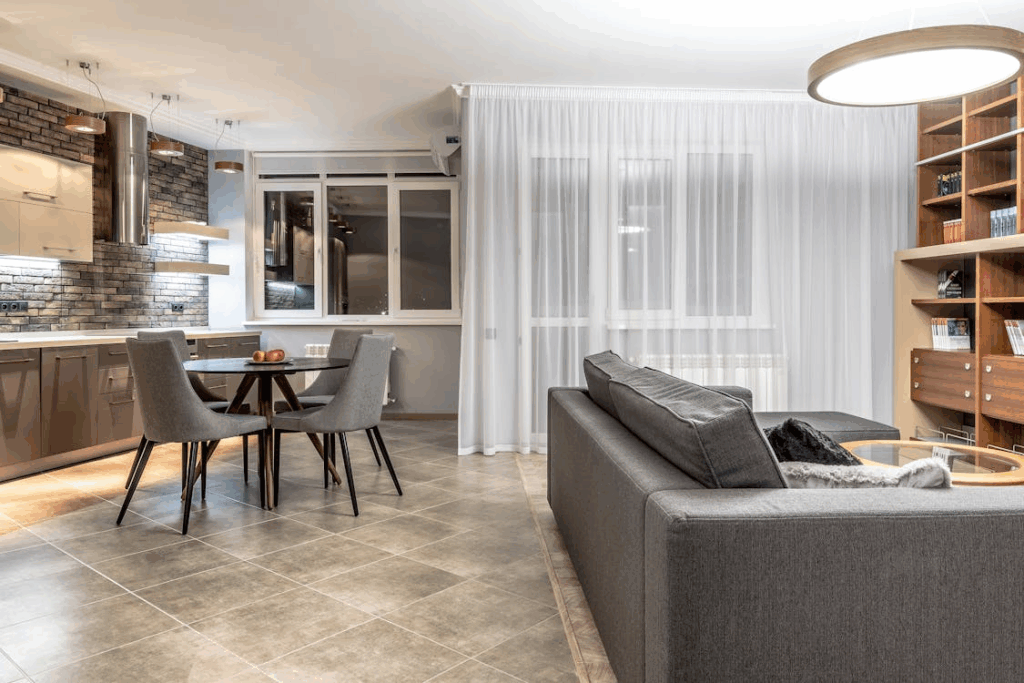
A buyer’s opinion of your home forms almost instantly. Before they analyze square footage or inspect the kitchen, they use their senses and instincts to make a snap judgment that often shapes the rest of the showing. Understanding what buyers notice first gives homeowners a strategic advantage because minor adjustments to early impressions can significantly boost perceived value.
The Power of Emotional Impressions Before Logic Sets In
When buyers arrive, their assessment begins subconsciously. Their brains scan for signs of safety, cleanliness, order, and overall care. If the home feels inviting from the start, buyers are more forgiving of minor flaws they encounter later. If the first impression is negative, even strong interior features struggle to overcome that early doubt.
This emotional evaluation is why curb appeal has such a significant influence. Buyers want reassurance that a home has been well-maintained and that it will be a pleasant place to live. Appraisers also note early condition signals, which may subtly influence how they score and interpret the rest of the home.
Recognizing this early psychological window allows homeowners to stage those first few seconds intentionally.
See The Science of Curb Appeal: First Impressions That Increase Equity to see how exterior cues shape perception.
Exterior Cues Buyers Register Instantly
Before stepping inside, buyers take in several small but meaningful details that communicate the home’s overall condition. Fresh paint, trimmed landscaping, clean walkways, and well-lit entry paths indicate stewardship and pride of ownership. Peeling paint, damaged siding, or cluttered porches do the opposite.
They also notice noise levels. A street with heavy traffic, barking dogs, or nearby commercial activity can raise concerns about the comfort of day-to-day living. Homes situated in quieter pockets or with natural sound barriers tend to create more positive impressions.
Even driveway condition matters. Cracks, weeds, or oil stains may suggest deferred maintenance, while a clean, smooth surface signals care and readiness. These details shape the buyer’s expectations before the front door even opens.
For entryway adjustments that improve flow, explore How to Stage Your Home to Maximize Value.
How the Entry Experience Shapes Buyer Expectations
When buyers walk through the door, the entryway becomes the second key moment of judgment. They evaluate light, openness, scent, and overall atmosphere. A bright, clutter-free entry signals spaciousness and calm. A dark or overly crowded foyer suggests tight quarters and disorganization.
Smell is a significant factor in these early moments. Fresh air or subtle scents feel welcoming; mustiness, pet odor, or strong fragrances raise suspicions about hidden issues. Buyers may not articulate these concerns out loud, but their impressions influence how they interpret every room afterward.
Clean floors, a tidy landing area, and a quick visual path into the home all reinforce a positive emotional response that boosts perceived value before buyers even see the main living areas.
Review Signs Your Home Is Under-Valued to spot early-impression issues.
Sightlines, Lighting, and the Immediate Sense of Space
Once inside, buyers instinctively look for openness and clarity. Clear sightlines from the entry into a living room, kitchen, or hallway make the home feel larger and more functional. Obstructed pathways or bulky furniture instantly shrink perceived space.
Lighting plays a similar role. Sunlight or well-placed artificial lighting gives a sense of comfort and livability. Dim entryways create the opposite effect, even if the rest of the home is bright. Adjusting bulb temperatures, opening blinds, and removing obstructions near windows can dramatically improve these early impressions.
Ultimately, buyers are looking for a sense of flow and ease. If the home feels intuitive and welcoming in those first seconds, they approach the rest of the tour with more optimism—and greater willingness to see value.
Check The Most Valuable Colors to Paint Your Walls to choose tones that support positive first impressions.
Why These Early Moments Matter for Home Value
Appraisers and buyers both rely on subtle cues when forming their opinions. The first 10 seconds provide a snapshot of how well the home has been cared for, how functional it feels, and how pleasant daily life might be there.
When those initial cues are positive, buyers become more emotionally invested, which often translates into stronger offers. Even in less competitive markets, early impressions help lift perceived condition and reduce objections.
By intentionally shaping those first few seconds, both inside and outside the home, it can meaningfully influence buyer sentiment and reinforce its overall value.