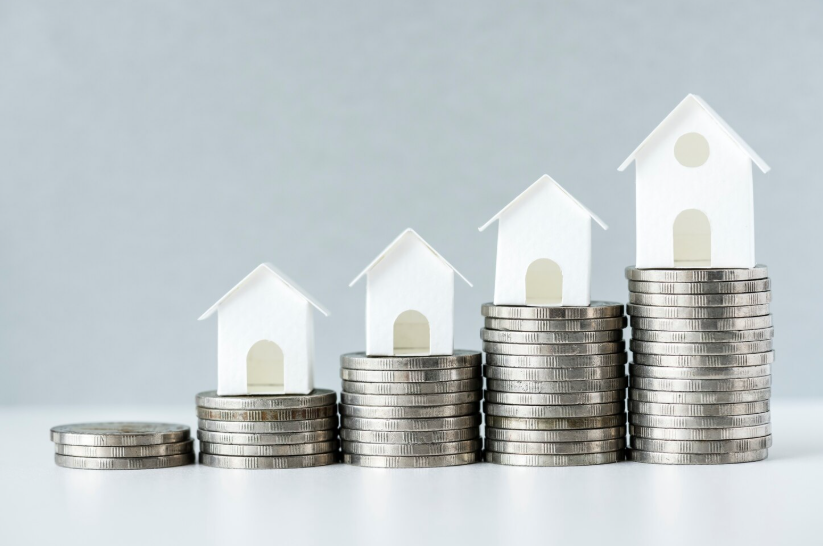
Property taxes are a critical part of homeownership, and rising rates can create uncertainty for both current and future homeowners.
While taxes help fund essential community services, they also impact affordability, demand, and long-term home values. Understanding how property tax trends affect your home’s financial future enables you to make more informed decisions about budgeting, timing, and market positioning.
How Rising Property Taxes Affect Buyer Demand
When property taxes rise, the overall cost of homeownership increases, even if mortgage rates or home prices stay the same. Buyers factor taxes into their monthly budgets, and higher tax burdens can reduce the number of qualified buyers in specific price ranges.
In high-tax areas, homes may take longer to sell or require more competitive pricing. Buyers may prefer homes in neighboring communities with lower taxes, especially when comparing similarly priced properties.
Appraisers also consider tax burdens when analyzing affordability in the local market. If high taxes suppress buyer demand, it can indirectly influence valuations.
See The Biggest Factors Influencing Home Prices in 2025 & Beyond to understand broader pricing pressures.
The Relationship Between Taxes and Home Appreciation
Property taxes often rise because property values increase. In many regions, tax assessments lag behind market conditions. When markets heat up, assessments eventually catch up, leading to higher tax bills.
Rising taxes can signal that a neighborhood is improving, such as through the construction of new schools, upgrades to infrastructure, and community investments, which often accompany increased property valuations. These enhancements typically support long-term property appreciation.
However, if taxes rise faster than wages or local home values, they can place financial strain on homeowners and diminish overall affordability, slowing appreciation over time.
Learn The Anatomy of a High-Value Neighborhood to see how location can offset tax burdens.
How Rising Taxes Influence Refinancing and Equity Planning
Higher property taxes increase your monthly housing expenses, which affects your debt-to-income ratio. This is a key factor lenders consider during refinancing.
If rising taxes push your monthly housing costs too high, it may limit your ability to refinance or reduce the loan amount you qualify for.
Homeowners planning to use equity for renovations or debt consolidation may need to account for ongoing tax increases to ensure long-term affordability.
To weigh timing decisions, check out Should You Buy, Sell, or Refinance in Today’s Market?
When Rising Taxes Do Not Hurt Value and May Help
Not all tax increases are negative. In many cases, higher property taxes correspond with improvements that strengthen desirability:
- Better school performance
- Safer neighborhoods
- Expanded parks and recreation
- Road improvements
- Stronger public services
Buyers are often willing to pay more in taxes when they see tangible benefits in community quality and livability. In such cases, rising taxes can support long-term value growth rather than hinder it.
Strategies Homeowners Can Use to Manage Rising Taxes
Homeowners worried about rising tax bills can take proactive steps, such as:
- Appealing the assessment if it does not accurately reflect the home’s condition or comps
- Reviewing exemptions for seniors, veterans, disabled homeowners, or primary residence deductions
- Monitoring tax proposals to understand how local budgets may impact future rates
- Improving energy efficiency, which can offset increased housing costs
Understanding your tax assessment and rights as a homeowner helps prevent overpayment and supports better budgeting.
For insights on smart borrowing, read Using Home Equity Wisely: The Smartest (and Worst) Ways to Tap It.
The Long-Term Impact on Home Value
Ultimately, rising property taxes influence home value through affordability, community investment, and buyer perception.
If taxes are aligned with meaningful improvements, values tend to remain strong. If taxes rise sharply without visible community benefits, long-term demand may soften.
Homeowners who understand these dynamics can make more informed decisions about selling, improving, or refinancing their home.