The goal is to choose renovations that enhance functionality, increase demand, and strengthen long-term home value.
Not every renovation delivers the return homeowners expect. Some upgrades boost resale value and marketability, while others cost far more than they contribute in equity. Understanding renovations with the highest ROI helps homeowners invest wisely and avoid improvements that fail to justify their price tag.
Kitchen Updates: High ROI When Done Strategically
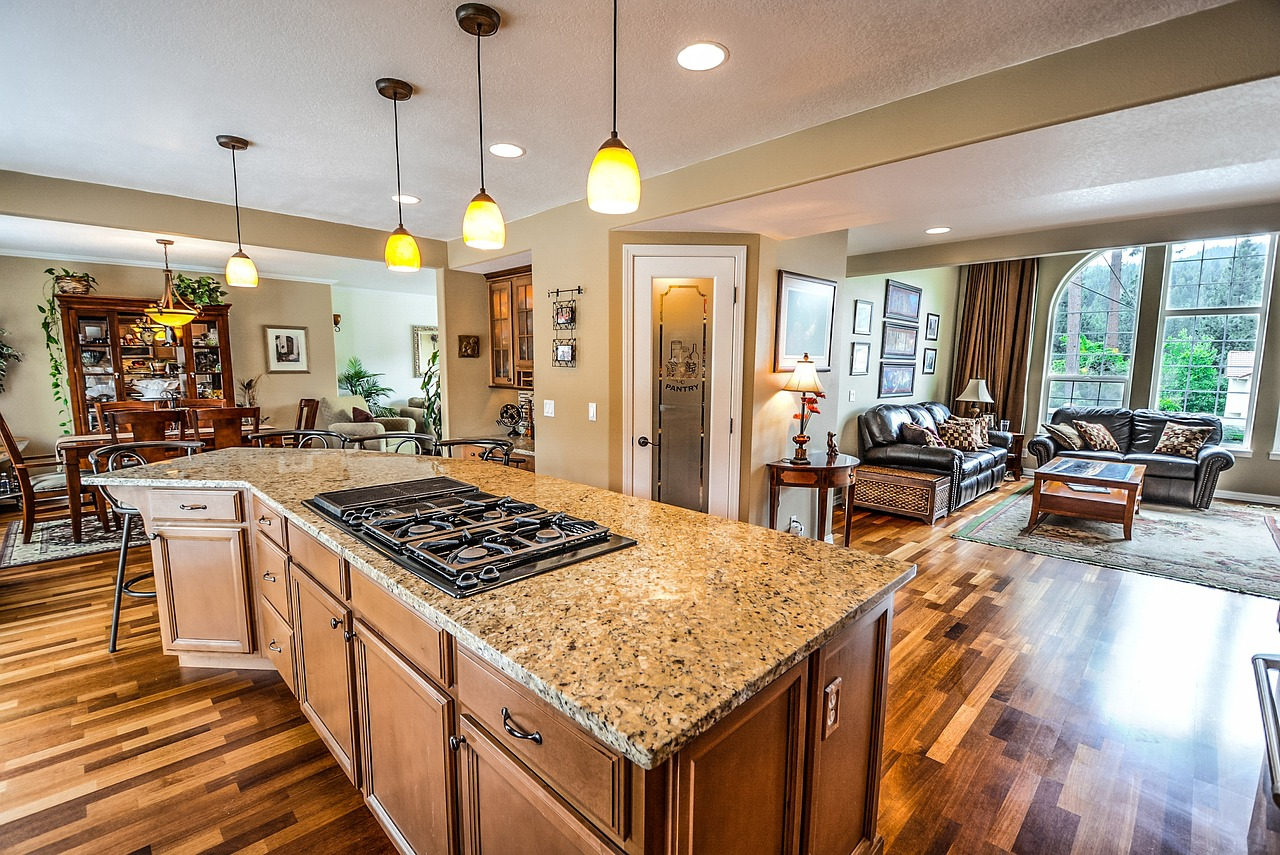
Kitchens remain one of the most influential areas for buyers, but not all kitchen renovations are equal. Full remodels often exceed their resale value, especially when they involve top-of-the-line finishes or customized elements that may not appeal to every buyer.
However, targeted upgrades, such as new countertops, updated appliances, fresh cabinet fronts, and modern hardware, tend to yield strong returns on investment. These improvements refresh the space without requiring structural changes.
Appraisers also respond positively to well-maintained, modernized kitchens because they improve functionality and reduce future maintenance needs. The key is to balance improvement with market expectations rather than over-customize.
Explore Kitchen Refreshes That Increase Value Without a Full Remodel for low-cost improvement ideas.
Bathroom Renovations: High Impact With Moderate Investment
Bathrooms influence value significantly because buyers associate them with comfort and cleanliness. Replacing outdated tile, fixtures, or lighting can dramatically improve appeal without the cost of a complete gut renovation.
Adding double sinks, improving storage, or installing a modern vanity can also increase usability. Large-scale upgrades, such as expanding the shower or adding luxury features, can pay off in higher-end markets but may not justify the cost in more modest neighborhoods.
Overall, buyers respond strongly to updated bathrooms, and appraisers consider them essential indicators of the home’s general condition.
For ideas and insights, check Bathroom Upgrades That Buyers See as ‘Worth the Price’.
Flooring Upgrades: Consistency and Quality Matter Most
Replacing worn carpet or mismatched flooring often generates excellent ROI because flooring is such a visible and heavily used surface. Durable materials such as luxury vinyl plank, engineered hardwood, and updated tile offer both aesthetic appeal and longevity.
However, overly expensive premium flooring may not deliver higher returns unless the neighborhood supports luxury-level pricing. Consistency throughout the home matters more than choosing the most costly materials.
When floors feel cohesive and updated, the entire home appears cleaner, modern, and more valuable to both buyers and appraisers.
To understand layout and floor factors, read Which Floor Plans Buyers Avoid and Which Ones Sell Fast.
Adding Living Space: Big Returns When Done Right
Increasing usable square footage, such as finishing a basement, converting an attic, or enclosing a sunroom, often delivers one of the highest returns because it expands livable space.
However, conversions that eliminate essential features, such as removing a garage to create another room, can backfire. Buyers often expect specific amenities, and removing them can reduce overall value.
High-performing additions maintain the home’s functional balance. When extra space enhances flexibility or supports modern living needs, the investment usually pays off.
Outdoor Improvements: Strong Appeal With Moderate Cost
Outdoor living remains a top priority among buyer preferences. Adding a deck, patio, or simple seating area usually increases desirability and perceived value.
Landscaping, lighting, and exterior paint or siding improvements also deliver strong returns because they enhance curb appeal, which is the first factor buyers notice.
However, expensive outdoor kitchens, elaborate water features, or highly customized landscaping can limit ROI unless the market strongly supports luxury outdoor amenities.
For insight into market trends, don’t miss The Biggest Factors Influencing Home Prices in 2025 & Beyond.
Beware of Overly Personalized or Trend-Driven Renovations
Upgrades that cater to niche tastes, such as bold tile patterns, highly customized cabinetry, and themed rooms, may not resonate with the broader market. While attractive to some buyers, they can reduce appeal to others and may require costly undoing.
Trend-driven designs also risk feeling dated quickly. Appraisers consider the longevity of improvements, so timeless choices tend to preserve value better than fleeting design trends.
For optimal results, homeowners should strike a balance between modern appeal and lasting functionality.