Floor plans shape how a home feels, functions, and flows. Even with desirable finishes or a great location, a poorly designed layout can lower buyer interest and reduce appraisal value.
Intuitive, open, and flexible floor plans sell faster and often at higher prices. Understanding which floor plans buyers tend to avoid and which ones attract immediate attention helps homeowners make more informed remodeling decisions.
Floor Plans Buyers Often Avoid
Some layouts create frustration or limit functionality, making them less appealing to modern buyers. One of the most common issues is a choppy or compartmentalized design where rooms feel isolated from one another. Narrow hallways, closed-off kitchens, and awkward room transitions can make even a spacious home feel cramped.
Another problem buyers dislike is “dead-end” rooms. These are spaces that can only be accessed by walking through another room. These layouts reduce privacy and disrupt natural flow. Appraisers note functional obsolescence when layout choices hinder usability, which can lead to lower condition or design scores.
Rooms without a clear purpose or with unusual shapes also deter buyers. If a room feels impractical or difficult to furnish, it becomes a liability rather than an asset.
To understand how layout matters, read What Homebuyers Really Notice in the First 10 Seconds.
Why Open and Connected Layouts Sell Faster
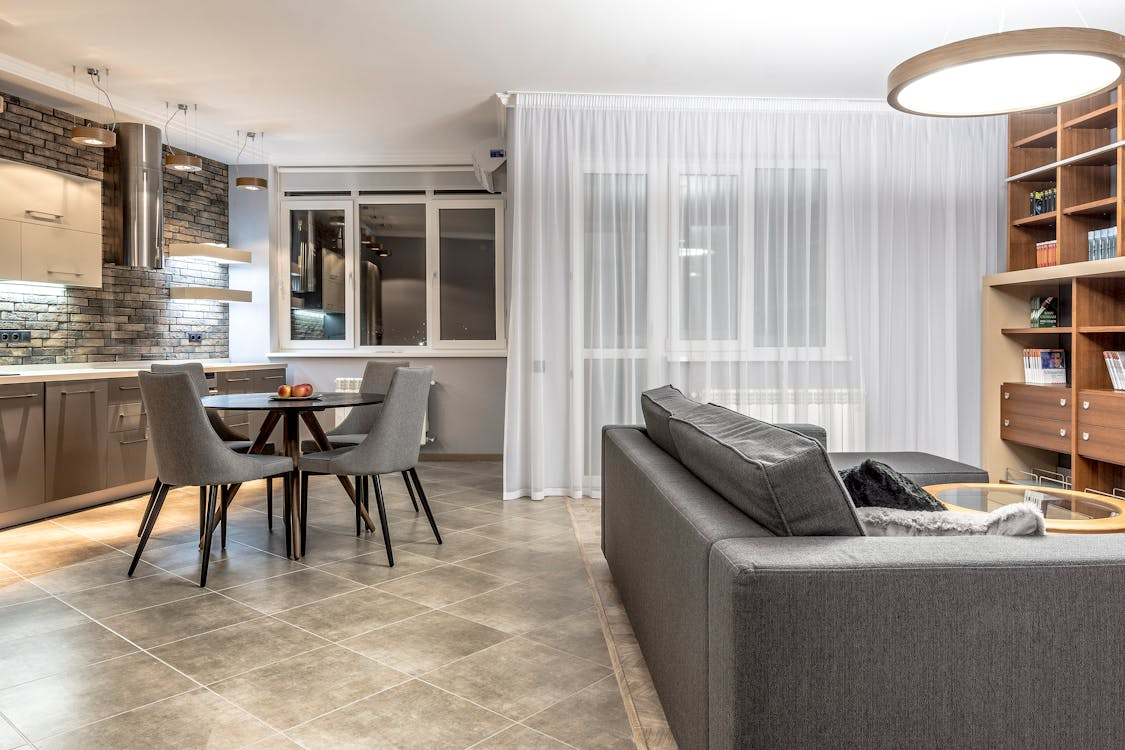
Homes that feel bright, open, and interconnected appeal to modern lifestyles. Open-concept kitchens, living rooms, and dining areas create visual flow and support social interaction. Buyers appreciate the sense of spaciousness and flexibility these layouts offer.
Appraisers consider functional design an essential part of valuation. A layout that maximizes usable square footage without wasted space can outperform a larger home with poor flow. Even modest-sized homes feel more expansive when common areas are connected and easy to navigate.
Natural light plays a significant role here. Open layouts allow light to travel between rooms, creating a warm and inviting atmosphere that buyers experience instantly.
Explore The Science of Curb Appeal to align interior flow with exterior expectations.
The Appeal of Flexible and Multi-Use Spaces
Today’s buyers want homes that adapt to changing needs. Multi-purpose rooms, such as offices, hobby areas, flex spaces, or guest rooms, add value by providing functional versatility.
Layouts that include adaptable zones are particularly desirable for remote workers, families, and downsizers. A single space that can serve multiple uses has more perceived value than a room locked into a narrow purpose.
Appraisers recognize flexibility as a functional advantage. Homes that offer multiple living configurations often score higher in utility and desirability, which supports higher appraisal values.
To decide if you need a professional, explore When to DIY and When to Hire a Pro If You Want to Protect Home Value.
How Simple Layout Adjustments Can Transform a Home
Homeowners don’t always need major renovations to improve floor plan appeal. Small changes, such as widening doorways, removing non-load-bearing walls, or reconfiguring furniture, can dramatically enhance flow. Adjusting sightlines, such as opening a view from the kitchen to the living room, creates a stronger sense of connection.
In older homes, strategic updates such as expanding doorways, adding lighting, or installing glass doors can modernize the feel without altering the structure. Even reorganizing the room’s purpose can help: converting an unused dining room into a home office, for example, can immediately increase relevance and appeal.
These thoughtful adjustments help buyers envision themselves living comfortably in the space, strengthening both emotional connection and perceived value.
Learn The Renovations That Lenders Value Most (And Least) to focus on the right layout changes.
Why Layout Still Outweighs Many Cosmetic Features
A well-designed layout enhances the effectiveness of every other feature of the home. Beautiful finishes matter, but they cannot compensate for poor flow, awkward room placement, or lack of flexibility. In fact, buyers often overlook cosmetic upgrades if the underlying layout feels outdated.
Appraisers differentiate clearly between cosmetic and functional issues. While cosmetic fixes are low-cost for buyers to address later, layout flaws usually require structural changes. This makes functional design a major driver of long-term value.
Prioritizing flow, openness, and flexibility ensures your home meets modern expectations and stands out in a competitive market.