A home’s exterior creates an instant judgment in the minds of buyers and appraisers long before they step through the front door.
Research consistently shows that curb appeal psychology influences perceived value, emotional response, and even the pace at which a home sells. Understanding the psychology behind first impressions and the elements that shape them allows homeowners to make strategic improvements that lift equity with surprising efficiency.
Why First Impressions Carry So Much Weight
Humans form impressions within seconds, and houses are no exception. When a buyer pulls up, their brain rapidly assesses order, cleanliness, symmetry, and overall mood. If the exterior appears neglected, buyers unconsciously assume that interior problems exist, even if none do. Appraisers take similar cues; a well-maintained exterior signals good stewardship and often leads to more favorable condition ratings.
Color, balance, and lighting also influence emotion. Bright, inviting tones and structured landscaping create a sense of care and stability. In contrast, overgrown trees, peeling paint, or clutter trigger discomfort and lower expectations. These psychological signals subtly raise or lower perceived value before the formal evaluation even begins.
By aligning your exterior with buyers’ instinctive preferences, you position your home as a higher-value property from the very beginning.
To understand what potential buyers think, check out What Homebuyers Really Notice in the First 10 Seconds.
The Role of Symmetry, Clean Lines, and Visual Flow
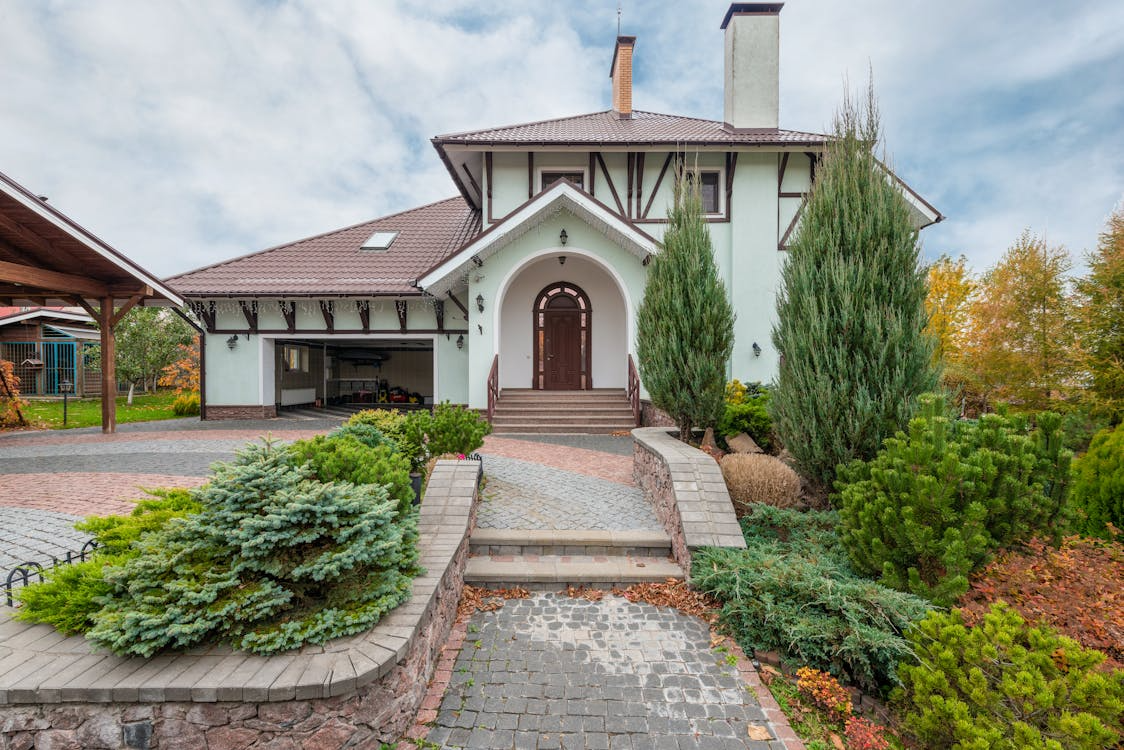
Symmetry is naturally pleasing to the human eye. Homes with balanced window placement, centered pathways, and evenly spaced landscaping feel harmonious and intentional. Even if your home’s architecture isn’t perfectly symmetrical, you can create the illusion through thoughtful design, matching planters, balanced exterior lighting, or evenly trimmed shrubs.
Visual flow also matters. Pathways that gently lead to the front door, uncluttered entry zones, and clear sightlines from the street all contribute to a positive emotional response. A chaotic or confusing exterior layout, on the other hand, can cause subconscious tension and diminish appeal.
Minor fixes, such as reorganizing porch furniture, adding a defined walkway border, or removing visual obstacles, can dramatically enhance the flow and elevate first impressions.
Learn The Hidden Factors That Quietly Add (or Subtract) Home Value to spot details that influence ratings.
Landscaping as a Value-Boosting Investment
Landscaping is one of the highest-return investments in curb appeal. Healthy lawns, pruned trees, and colorful yet simple plantings add vitality and signal a commitment to long-term care. Appraisers consider landscaping part of the home’s condition, and attractive outdoor spaces often contribute to higher valuations.
Focus on low-maintenance greenery that stays tidy year-round. Overly elaborate gardens may overwhelm buyers or suggest excessive upkeep. Instead, aim for clean lines, structured beds, and seasonal color accents that refresh the home’s appearance.
Lighting also supports landscaping impact. Soft pathway lights and subtle uplighting around trees or architectural features create a warm ambiance and enhance nighttime appeal. This is an increasingly important factor as many buyers view listings after work hours.
Explore Landscaping Upgrades That Deliver the Best ROI to prioritize outdoor fixes.
The Front Door Effect: A Small Detail With Major Influence
The front door is the visual anchor of the exterior, and often the first feature buyers examine closely. A worn or outdated door sends an instant negative message, while a modern door with a fresh coat of paint creates energy and confidence. Bold colors, such as deep red, navy, or charcoal, can create a striking focal point without overwhelming the design.
Hardware matters too. Updated handles, smart locks, and well-polished fixtures add a subtle sense of quality. Even a simple mailbox update or new house numbers can modernize the façade and elevate perceived value.
Because the front entry is both symbolic and functional, its condition heavily influences a buyer’s mindset as they step inside and sets the stage for the rest of the showing.
Check out Using Home Equity Wisely to understand when increased equity makes sense to use.
Why Strategic Curb Appeal Improvements Boost Equity
Curb appeal is uniquely powerful because its impact is both emotional and practical. Buyers who feel drawn to a home tend to view the interior more favorably, judge systems less harshly, and perceive greater overall value. Appraisers also respond to signs of consistent maintenance, which align with long-term durability and risk reduction.
Unlike major renovations, curb appeal upgrades are often affordable and immediately visible. A few strategic adjustments can make your home look newer, cleaner, and more desirable without the cost of extensive remodeling.
By blending psychology, aesthetics, and functionality, curb appeal offers a reliable pathway to increasing home value with some of the highest ROI in residential real estate.