Understanding which floors rank highest helps homeowners make upgrades that yield the best return on investment.
Flooring is one of the most influential elements in a home’s overall appeal. It affects aesthetics, comfort, durability, and the overall flow of each space into the next. All of these are factors buyers and appraisers evaluate closely. Choosing the best flooring for resale value helps homeowners modernize wisely and avoid materials that fail to deliver ROI.
Hardwood: The Top Performer for Resale
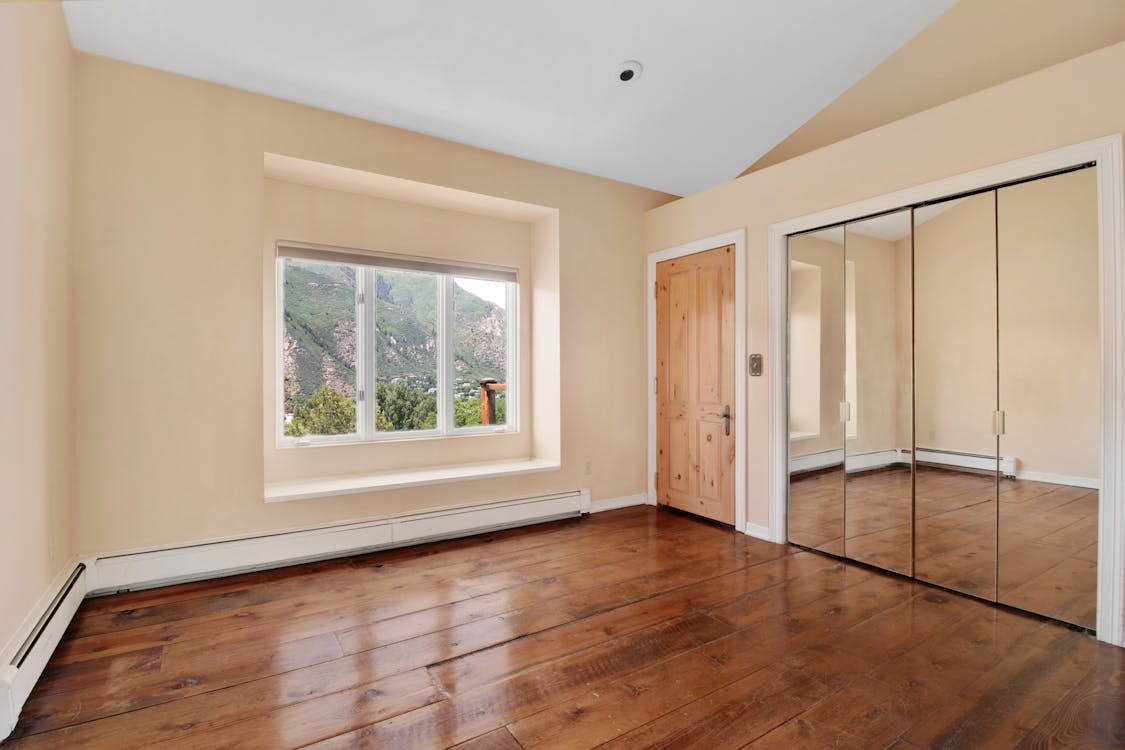
Hardwood floors remain the gold standard in home value. Buyers perceive hardwood as durable, timeless, and adaptable to a variety of design styles. Oak, maple, and hickory continue to dominate, but engineered hardwood is also popular because it offers similar appeal with more stability in humid climates.
Hardwood’s most significant advantage is longevity. It can be refinished multiple times, allowing homeowners to refresh its appearance instead of replacing it. Appraisers often assign substantial value to hardwood because it’s considered a long-lasting, premium material.
While hardwood requires a larger upfront investment, its reputation and desirability consistently make it the highest-ROI flooring choice.
Explore Signs Your Home Is Under-Valued to understand how flooring upgrades influence market perception.
Luxury Vinyl Plank (LVP): High ROI With Lower Cost
Luxury vinyl plank has become one of the most popular alternatives to hardwood. It’s durable, water-resistant, and budget-friendly, making it especially appealing in kitchens, bathrooms, and high-traffic areas. Modern LVP closely mimics the look of real wood and offers impressive scratch and stain resistance.
Buyers appreciate LVP because it offers style without the maintenance concerns associated with hardwood. Appraisers recognize its durability and often view it as a valuable upgrade from older tile or worn carpet.
LVP delivers one of the most substantial returns among mid-range flooring materials and is an excellent option for homeowners looking to modernize while keeping costs manageable.
To understand how flooring upgrades stack up, read Do These Popular Renovations Actually Pay Off?
Tile: Best for Wet Areas and Long-Term Durability
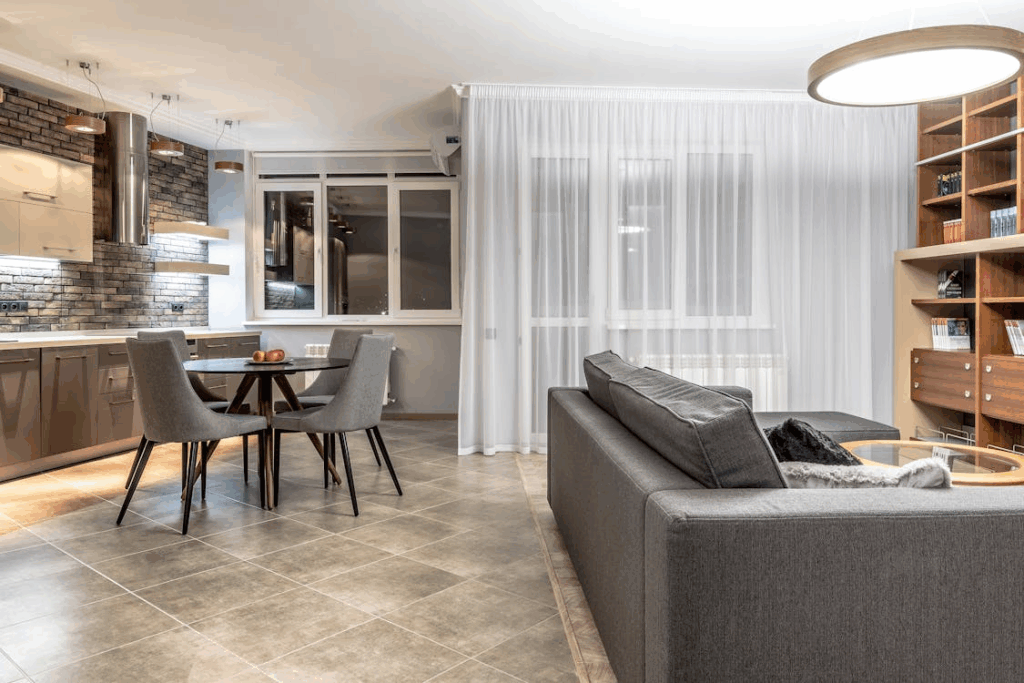
Tile remains the preferred choice for bathrooms, entryways, and laundry rooms. Porcelain and ceramic varieties are especially desirable because they resist water, scratches, and stains. Buyers associate tile with cleanliness and longevity, especially when grout lines are well-maintained.
In warmer climates, tile is even more valuable because it helps regulate indoor temperatures. Appraisers also consider tile a durable, permanent material that typically contributes positively to the home’s overall valuation.
However, tile’s ROI depends on style and installation quality. Neutral patterns and timeless designs tend to have the broadest appeal.
To boost overall appeal, check out Smart Storage Solutions That Increase Functional Value.
Carpet: Soft, Comfortable, but Lower on Resale Rankings
Carpet offers comfort and affordability, but it rarely enhances resale value. Buyers often prefer hard-surface floors for their durability and contemporary look. Carpet also shows wear more quickly and may trap allergens or odors, which can be a turnoff during showings.
That said, new carpet can improve a bedroom’s coziness or refresh a worn space if replacement is needed before listing. Appraisers view new carpet as a sign of maintenance, although it does not carry the same weight in value as hardwood or LVP.
For the best return, limit carpet use to low-traffic or private areas, if at all.
Laminate: A Budget-Friendly Middle Ground
Laminate flooring offers attractive visuals and reasonable durability at a lower cost than hardwood or LVP. Modern laminate is more water-resistant than older versions and can withstand considerable foot traffic.
However, laminate doesn’t carry the same prestige as hardwood or the same durability as LVP. While buyers generally view it as an upgrade over carpet, it may not significantly increase resale value unless the flooring is severely outdated.
Laminate is best suited for homeowners who want a clean, cohesive look on a tight budget.
See How to Prep Your Home for a Valuation Increase Before Refinancing for more upgrade tips.
Choosing the Right Flooring for Maximum Value
The strongest ROI comes from durable, visually appealing, and low-maintenance flooring throughout the home. Fragmented flooring, which involves the use of multiple materials in adjacent rooms, can disrupt the sense of flow and lower the perceived value.
When selecting materials, consider:
– Neighborhood expectations
– Climate and moisture exposure
– Durability needs
– Design cohesion
– Long-term maintenance
Floors that balance function and beauty while appealing to the broadest range of buyers consistently deliver the highest resale value.