Understanding when to tackle a project yourself and when professional expertise is essential helps protect both your investment and your peace of mind.
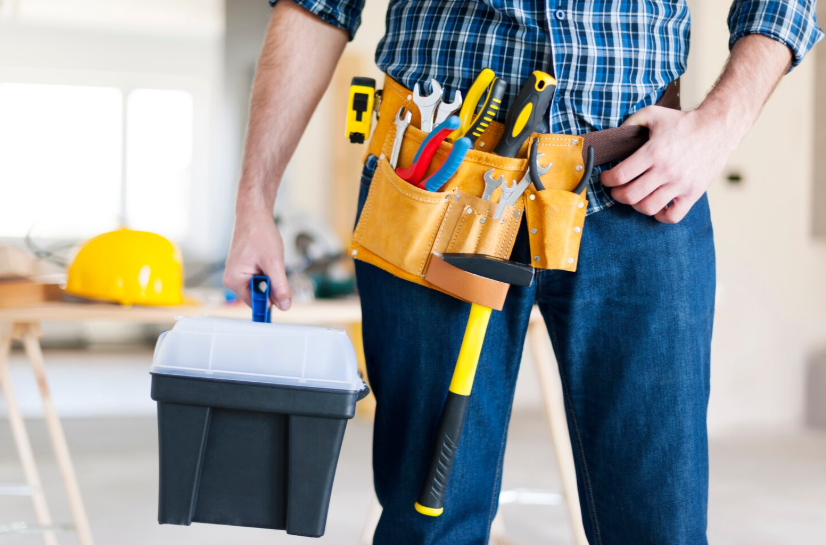
DIY projects can save money and offer a satisfying sense of accomplishment, but not all home improvements are suitable for a do-it-yourself approach. The wrong DIY job can lead to code violations, safety hazards, or visible flaws that lower your home’s value.
DIY-Friendly Projects That Offer Strong Value
Some upgrades are ideal for homeowners who enjoy hands-on work and want to keep costs down. Painting is one of the most popular DIY projects because it’s affordable, impactful, and relatively forgiving.
Other DIY-friendly tasks include replacing basic hardware, installing shelving, updating light fixtures, and refreshing landscaping. These projects require modest skills but provide noticeable improvements in appearance and functionality.
Appraisers often respond well to clean, updated spaces, so these projects can indirectly support home value without risking structural integrity or code compliance.
For budget upgrade ideas, explore High-ROI Upgrades for Every Budget.
Projects Where Professional Skill Ensures Safety
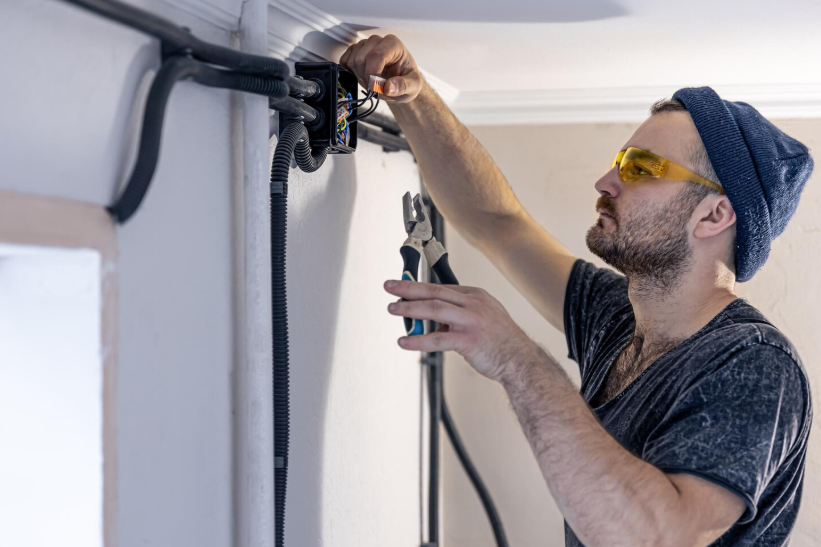
Specific tasks demand professional knowledge because mistakes can create safety hazards. Electrical work, for instance, involves risks of fire, injury, and code violations. Even seemingly simple tasks, such as adding outlets or installing new wiring, should be handled by licensed electricians.
Plumbing is another area where DIY errors can lead to costly consequences. Improperly installed fixtures or pipes can cause leaks, mold, or water damage, which appraisers view as major red flags.
Whenever a project involves significant risk to the home’s structure or safety, hiring a qualified professional is the wisest and safest choice.
Explore The True Cost of Deferred Maintenance to see how poor workmanship can lead to repair expenses.
Structural and Code-Heavy Projects to Avoid DIY
Structural projects, such as removing walls, modifying load-bearing beams, or altering foundations, require expert planning and obtaining the necessary permits. DIY attempts at these tasks can compromise the home’s stability, reduce resale value, and create legal issues if future inspections reveal unauthorized work.
HVAC upgrades and roof replacements are similarly complex. Professionals ensure systems are installed correctly, comply with local building codes, and operate efficiently. Since these components play a significant role in appraisal scoring, improper installation can significantly hurt value.
In general, if a project requires a permit, engineering knowledge, or specialized tools, it’s best left to a pro.
To align decisions with lender priorities, see The Renovations That Lenders Value Most (And Least).
Cosmetic DIY Projects With High Impact and Low Risk
Many upgrades offer great DIY potential without compromising long-term value. Installing new backsplash tile, updating cabinet hardware, painting vanities, and adding decorative trim can all provide significant visual improvements.
These projects enhance style and create a more modern look without requiring complicated technical skills. As long as the work is neat, even, and well-executed, cosmetic DIY improvements can strengthen buyer impressions and support appraisal condition ratings.
The key is knowing your comfort level and stopping a project before it becomes more complex than anticipated.
For low-risk outdoor DIY projects, check out Landscaping Upgrades That Deliver the Best ROI.
How to Decide: The Value and Risk Assessment
Before starting any home project, ask three questions:
- Does the project affect safety or structural integrity?
- Will poor workmanship be evident to buyers or appraisers?
- Is a permit required?
If the answer to any of these is yes, hiring a professional is likely the better option. Skilled tradespeople ensure the job is done correctly, documented properly, and aligned with market expectations.
Savvy homeowners strike a balance between DIY enthusiasm and strategic investment in professional work. This approach keeps costs manageable while ensuring upgrades genuinely protect and enhance home value.