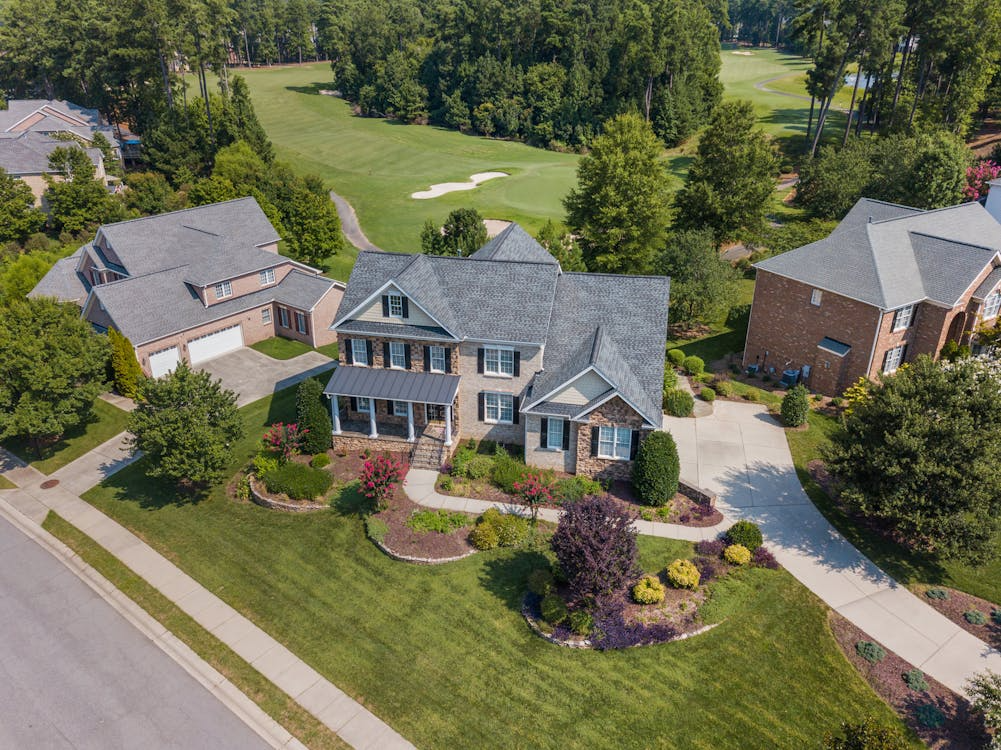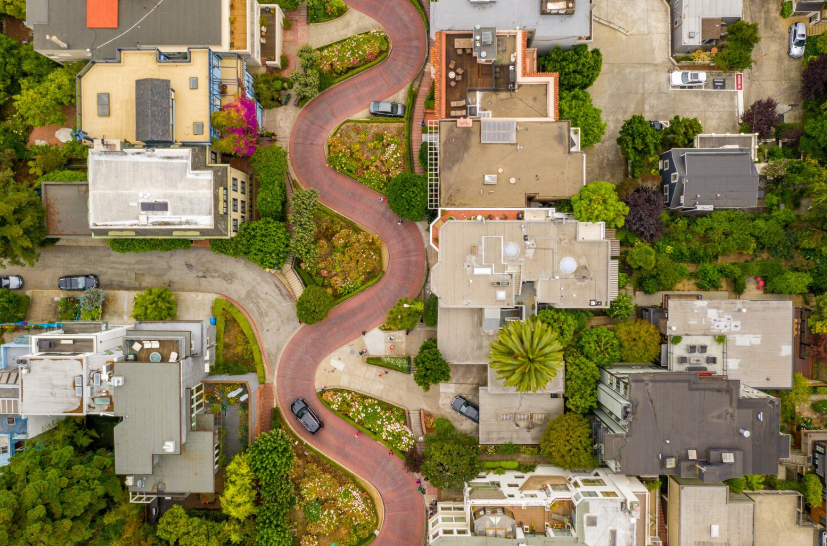
Home value isn’t determined solely by the property; the neighborhood plays an equally important role.
Appraisers and buyers evaluate the surrounding environment to understand long-term desirability, safety, and future appreciation potential. A high-value neighborhood exhibits consistent characteristics that signal stability and a high quality of life.
Understanding these elements helps homeowners anticipate value trends and make informed decisions about buying, selling, or improving their property.
Location Stability and Long-Term Demand
High-value neighborhoods benefit from strong, steady demand. Buyers seek areas with predictable appreciation and low turnover, which indicate stability. Streets with well-kept homes, mature trees, and cohesive architectural styles often indicate a long-established community with consistent upkeep.
Appraisers take note of these qualities because they reflect market reliability. Neighborhoods with low vacancy rates, active homeowner participation, and a high proportion of long-term residents tend to maintain higher property values, even in fluctuating markets.
A stable location isn’t just about resale; it also reveals how well a neighborhood supports everyday living, which buyers recognize immediately.
To identify early signs of rising demand, see How to Spot an Up-and-Coming Neighborhood Before Everyone Else.
Access to Amenities, Transportation, and Daily Convenience
Proximity to essential services has a significant impact on neighborhood value. Buyers prioritize access to grocery stores, schools, healthcare, parks, and recreational areas. Convenient transportation options, such as nearby highways, bus routes, or walkable streets, also elevate desirability.
Appraisers consider these factors because easy access enhances a home’s functional value. People want to spend less time commuting and more time living. When a neighborhood supports comfort and convenience, demand increases organically.
Thoughtful urban planning, sidewalks, and safe pedestrian pathways further strengthen a neighborhood’s appeal, making daily routines more efficient and enjoyable.
Read The Biggest Factors Influencing Home Prices in 2025 & Beyond for broader market trends.
Community Cleanliness, Safety, and Visual Appeal
The appearance of a neighborhood has a profound influence on its perceived value. Clean sidewalks, well-maintained lawns, and well-kept common areas, along with minimal clutter, signal pride of ownership. Conversely, visible neglect, such as overgrown lots, deteriorating fences, or excessive noise, lowers buyer confidence.
Safety is equally important. Well-lit streets, visible security measures, and low crime rates create a sense of protection that attracts buyers. Appraisers incorporate safety indicators into their evaluations because they affect both desirability and long-term market performance.
Even small elements, such as well-marked street signs and organized trash collection, contribute to a clean and orderly environment that enhances neighborhood value.
To understand how neighborhood cues shape value, check out What Homebuyers Really Notice in the First 10 Seconds.
School District Quality and Family Appeal
School performance is one of the strongest drivers of neighborhood value. Even buyers without children consider school ratings, knowing they influence long-term appreciation. High-performing districts attract consistent buyer interest, which naturally leads to increased home values.
Appraisers evaluate the quality of school districts as part of neighborhood rankings. Strong academic performance, safe campuses, and robust extracurricular programs all contribute to the overall appeal.
Because school districts tend to remain stable over time, homes in good districts often experience higher demand and slower depreciation. This factor becomes a key component of a high-value neighborhood.
To understand how tax changes demand, explore What Rising Property Taxes Mean for Your Home’s Future Value.
Signs of Growth, Investment, and Future Potential
High-value neighborhoods aren’t just desirable today; they show indicators of future appreciation. New businesses, upgraded infrastructure, community development projects, and revitalization efforts all contribute to rising property values.
Buyers and appraisers look for signs such as updated parks, road improvements, and well-maintained public spaces. When an area is clearly investing in its future, confidence rises, and homes become more valuable.
Conversely, a lack of development or visible decline signals stagnation. Understanding these trends helps homeowners assess whether their neighborhood will continue to appreciate or begin to decline in value over time.